Focused deep tissue bodywork for the upper body in New York addresses tight shoulders, necks, and upper backs. Research studies have shown that regular sessions can enhance muscle recovery, flexibility, and athletic performance. That research supports local clinics in Manhattan and Brooklyn, where therapists pair hands-on techniques with movement education for lasting results.
Professional Lymphatic Drainage Therapy In New York
In New York, many people incorporate deep tissue massage into their routine for chronic pain or post-surgery recovery. Qualified massage professionals use a combination of warm-up strokes and focused pressure to release adhesions, improve range of motion, and reduce soreness. Clients often describe both physical and emotional benefits from these sessions.
Choosing a reputable center for deep tissue massage in NYC is important. Knowledgeable providers with orthopedic knowledge provide more secure, more effective treatments than unlicensed practitioners. This therapy promotes circulation, scar tissue remodeling, and functional recovery for those with persistent upper-body tension.
Essential Takeaways
- Research-supported protocols show measurable gains in recovery and performance with regular deep tissue sessions.
- Upper body deep tissue massage therapy in New York addresses neck, shoulder, and upper-back tension effectively.
- Clinical remedial massage sessions in New York combine hands-on treatment with movement guidance for lasting results.
- Upper-body massage therapy for upper body tension in NYC delivers both physical and psychological benefits.
- Selecting a trusted place for alignment deep tissue massage in NYC ensures safer, outcome-focused care.
Understanding What Upper-Body Deep Tissue Bodywork Therapy Is And How It Works
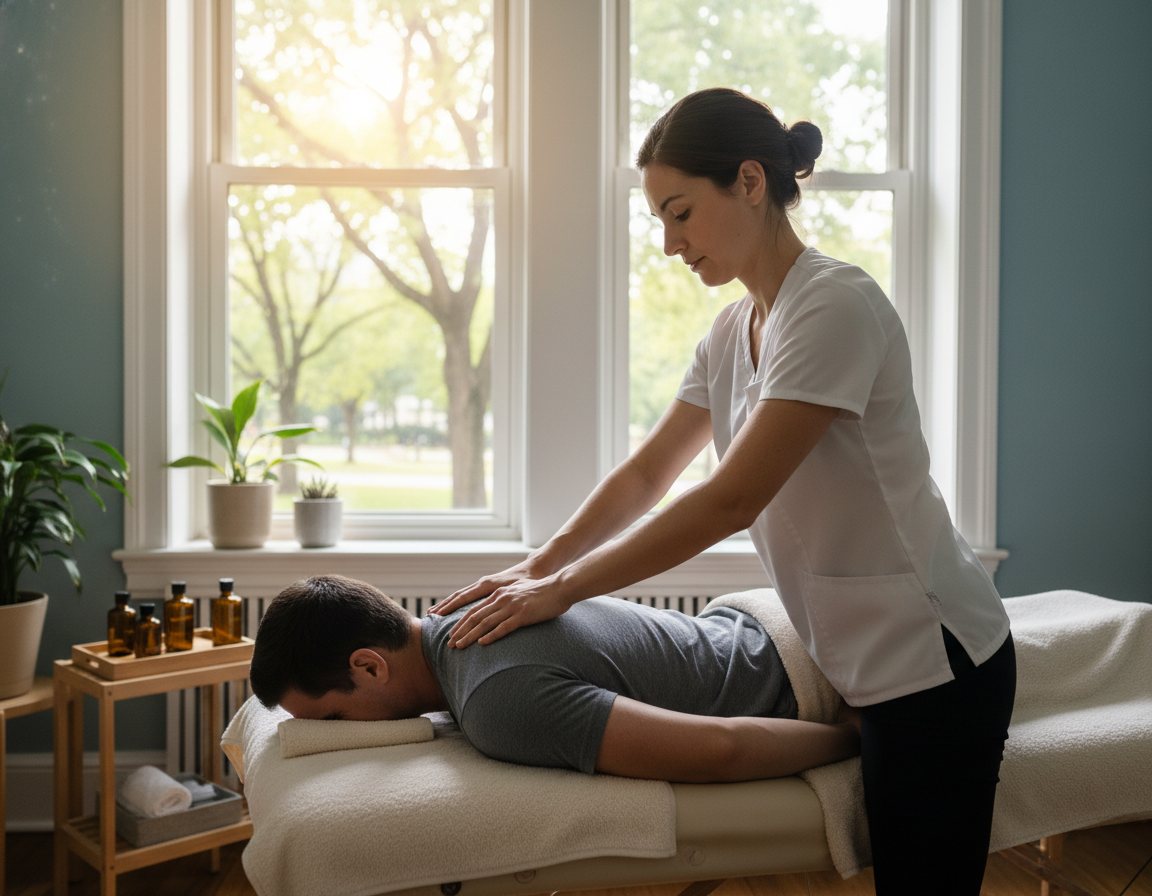
Upper body deep tissue massage targets muscles in the neck, shoulders, upper back, chest, and arms. The session begins with gentle strokes to warm the muscles. Then, slow, sustained pressure is applied to reach deeper layers. Methods include thumb friction, forearm pressure, and kneading to break adhesions and restore motion.
Definition And Method
The definition of deep tissue massage in NYC focuses on techniques that target deep muscle fibers and connective fascia. The session begins with effleurage to warm the tissue. It then moves to focused work on the scapular region, rhomboids, pectoralis major, and deltoids. Elbows or forearms are used for broader pressure. Sessions often follow a schedule of regular treatments to achieve lasting change.
Body-Based Mechanisms
Mechanical pressure activates mechanoreceptors and can trigger neurotransmitter shifts that promote relaxation. Deep strokes help separate fibrotic tissue, improve local blood flow, and speed the removal of metabolic waste. These changes support reduced inflammation and enhanced delivery of oxygen and nutrients to injured tissue.
What To Anticipate During An Upper-Body Session
Expect an initial intake with posture and pain-history questions. The licensed massage therapist in New York will explain contraindications and tailor pressure to comfort and goals. Warm-up strokes precede focused work on neck and shoulders, with periodic verbal checks about pressure.
Many clients experience strong pressure and progressive release during the session. Short-term soreness for a day or two can happen as tissues remodel. Clinicians may use range-of-motion measures and visual analogue scales to track progress over multiple visits.
| Session Stage | Common Techniques | Main Purpose |
|---|---|---|
| Initial Review | Health history, posture check | Pinpoint pain sources and contraindications |
| Tissue Warm-Up | Light strokes, light kneading | Improve circulation and prepare tissue |
| Deeper Treatment | Thumb friction, forearm pressure, elbow releases | Break adhesions and reduce muscle tension |
| Progress Check | Movement checks, VAS scoring | Track changes in mobility and pain |
| Post-Session Care | Recovery tips, gentle stretches | Maintain recovery and sustain benefits |
For those seeking targeted deep tissue massage for shoulders and neck in NY, clear communication with a therapist is key. This upper-body deep tissue method is adaptable and used across clinical and wellness settings to address chronic tension and postural strain.
Benefits For Pain Relief, Recovery, And Performance
Upper body deep tissue work targets specific areas, providing relief and speeding up recovery. It helps those with tight shoulders, neck tension, and upper-back soreness. Athletes, weekend warriors, and office workers experience both immediate comfort and long-term benefits in range of motion. The following overview explores how focused massage aids in pain relief, recovery, and function in daily life and sports.
Relief Of Persistent And Short-Term Upper-Body Discomfort
Clinical trials confirm deep tissue methods reduce muscle stiffness and pain in lumbar, knee, and shoulder areas. Many patients find relief similar to NSAIDs for chronic pain. In New York, therapists use precise pressure and slow strokes to release adhesions and break scar tissue.
Improved Muscle Recovery And Flexibility
Ongoing, longer sessions enhance joint range of motion and muscle strength. Studies show bi-weekly 40-minute treatments lead to better recovery outcomes. In NYC, remedial massage supports faster healing between workouts, aiding in muscle recovery and flexibility.
Performance And Movement-Based Benefits For Active Clients
Sports-focused clients see performance boosts after deep tissue protocols focused on alignment. These benefits include reduced muscle soreness, better joint mobility, and lower strain risk by restoring muscle elasticity. Sports trainers in New York often combine these sessions with mobility drills to enhance performance benefits.
Specialized Deep Tissue Therapy For Shoulders And Neck In New York
Targeted manual work in NY targets stubborn knots and restricted movement in the shoulders and neck. It aims to release fascial adhesions, ease trapezius tightness, and improve mobility. People often pursue relief from chronic neck pain, rotator cuff stiffness, and jaw pain that affects chewing and speaking.
Typical Upper Body Conditions Treated
Desk workers and active clients often complain of chronic neck pain and shoulder tightness. Trapezius tension and thoracic mobility issues arise from long desk hours or overhead activities. Rotator cuff stiffness limits motion and causes arm pain.
Temporomandibular concerns manifest as jaw soreness, clicking, or headaches. Those with overuse patterns benefit from deep, focused massage to release tension and enhance function.
Techniques Used For Neck And Shoulder Release
Therapists start with gentle effleurage to warm tissues and boost circulation. They then apply forearm and elbow pressure around the scapula and use thumb friction on the upper trapezius and deltoids.
Cross-fiber friction, forearm strokes from torso to shoulder, and kneading help address fascial restrictions. Careful body placement ensures targeted access for deeper release and safer biomechanics.
When It Is Time To Get Professional Treatment
Seek licensed remedial massage therapy in New York for persistent pain, limited function, or symptoms after surgery. A trained provider can assess and tailor deep tissue strategies for your needs.
Timely medical evaluation is advised for neurological signs like numbness or weakness, suspected fractures, unexplained systemic symptoms, or recent surgery, active cancer, or clotting disorders. For TMJ concerns, inquire about TMJ-related muscular tension treatment NY to ensure coordinated care with your dentist or physician.
Why Choose A Licensed Therapeutic Provider In NYC: Rhemedy By RHED
When you’re dealing with persistent upper-body issues, selecting a licensed remedial provider in NYC is critical. Rhemedy by RHED offers a unique blend of clinical assessment and hands-on therapy. This approach targets pain, restores motion, and supports long-term recovery. Many clients in New York seek this combination of rehabilitation and skilled manual therapy.
Licensed care and remedial specialization
The licensed clinicians at Rhemedy by RHED possess state credentials and adhere to established remedial protocols. They conduct orthopedic screenings, document outcomes, and collaborate with physicians or physical therapists when necessary. This clinical approach ensures safe deep tissue work and elevates the standard of therapeutic care.
What clients can expect from Rhemedy by RHED
This NYC remedial provider, available at rhemedybyrhed.com, specializes in alignment-focused deep tissue sessions and customized plans for pain relief and athletic recovery. Their sessions follow evidence-based steps: intake, targeted warm-up, progressive deep work, and movement coaching. Clients can book sessions in New York that aim for measurable improvement and functional gains.
Reported outcomes from local clients
Feedback from locals reveals quick reductions in neck and shoulder pain, enhanced posture, and improved post-op scar mobility after targeted sessions. Many report that a trusted massage therapist in NY helped maintain gains through home exercises and follow-up visits. These reports indicates sustained benefits when remedial work is paired with education and movement guidance.
Complementary Treatments And Popular Services Popular In New York
New York wellness studios combine deep tissue work with recovery-enhancing services. Complementary options help reduce swelling, ease fascial tension, and support mobility. They are designed to complement the focused treatments.
Building the right combination depends on individual goals. Post-operative care often benefits from lymphatic drainage. Athletes prefer tools targeting fascia and recovery. Spa-style touches enhance relaxation and encourage regular care.
Complementary Services That Improve Upper Body Outcomes
Lymphatic massage providers in NYC offer techniques for full-body and facial treatments. Those techniques lower swelling and speed healing. Facial lymphatic massage in New York is common after cosmetic procedures, complementing neck and shoulder release.
Therapeutic cupping and myofascial release break scar tissue and adhesions. Treatments blending deep tissue with fascial release from cellulite fascia target therapy specialists in NYC yield better results for stubborn tightness.
Wellness And Spa Enhancements
Infrared wrap body treatments in NYC use gentle heat to promote circulation and ease soreness. Many studios combine an infrared wrap with a restorative massage. This can improve detox and recovery after intense sessions.
A relaxing aromatherapy massage experience in NYC incorporates calming plant-based blends. Those natural scents reduce stress and improve sleep. Natural aromas lower heart rate, making therapy more restorative.
Couples And Stress-Relief Options
A couples massage option for relaxing weekends in NYC is popular for partners seeking shared downtime. Studios offer side-by-side treatments with options for aromatherapy, hot stones, or light stretching.
Remedial providers blend clinical deep tissue services with spa comforts. This blended model meets varied needs across New York’s busy wellness scene. Clients receive symptom relief and rest simultaneously.
Safety, When To Avoid Treatment, And Aftercare Care
Focused deep tissue work offers significant mechanical and circulatory benefits. Yet, it requires careful consideration of safety and post-treatment care. Before scheduling a session in New York, it’s essential to understand when to pause, seek medical clearance, and how to care for your body afterward.
People who have blood clotting disorders or those on anticoagulants should avoid deep tissue massage without a doctor’s clearance. Those with active cancer, bone-involved malignancies, recent fractures, severe osteoporosis, open skin infections, or uncontrolled heart or systemic diseases must also seek medical approval. Pregnant clients typically require gentler modalities and should consult with prenatal-certified therapists, discussing options before scheduling.
NYC deep tissue massage contraindications
Clinicians carefully screen for red flags before proceeding with deep tissue massage. In New York, contraindications include acute deep vein thrombosis, fever, infectious illness, and recent surgery without explicit clearance. Weakness or numbness or severe, unexplained pain necessitate a medical evaluation. Honest disclosure of health conditions allows therapists to select safe techniques or refer to medical professionals when necessary.
Expected side effects and how to manage them
Temporary tenderness lasting one to three days is common after intense upper-body deep tissue sessions. Bruising might occur if pressure is high or tissues are fragile. To ease soreness, rest, gentle movement, and alternating cold and warm packs wrapped in a towel are recommended. Adequate hydration and, if advised by a physician, over-the-counter analgesics can also help.
Post-session care upper body deep tissue massage in NY
Post-treatment, engage in light activity and stay hydrated. Follow any therapist’s advice on stretching or mobility drills to aid tissue adaptation. Maintenance sessions are advised to maintain progress, essential for chronic conditions or athletic goals.
Post-op lymphatic massage recovery treatments in NYC
People in post-op recovery should only receive lymphatic or deep tissue massage with surgeon approval. In New York, post-op lymphatic massage recovery treatments are tailored, gentle, and timed to the healing stage. Therapists collaborate with medical teams to reduce swelling and support safe recovery.
| Health Concern | Risk | Best Next Move |
|---|---|---|
| Using anticoagulant medication | Higher bruising, bleeding | Get physician clearance; prefer lighter techniques |
| Recent operation | Wound opening, delayed healing | Confirm surgical clearance; consider gentle lymphatic care |
| Active malignancy | Potentially unsafe tissue response | Check with oncology team before treatment |
| Severe bone fragility | Possible bone injury | Avoid deep pressure; use safe remedial methods |
| Pregnancy | Body positioning and pressure concerns | Choose prenatal-certified therapists and gentle techniques |
Aftercare recommendations for sustained benefit
Schedule maintenance sessions based on your goals. Athletes often benefit from bi-weekly visits for recovery and performance enhancement. Develop a home program of targeted stretches, strengthening, and posture work. Consult with physical therapists for rehab or neurological issues. Report any new or worsening symptoms promptly to adjust care or seek medical evaluation.
How To Find And Book Focused Deep Tissue Massage In NY
Selecting the right clinic or therapist is key to effective deep tissue work. Start by checking professional directories and asking for referrals from physicians or physical therapists. Many seek out remedial clinics, sports rehab centers, and vetted independent practitioners for targeted deep tissue therapy in New York.
Where Clients Book Alignment Deep Tissue Massage In NY
Choices may include remedial clinics like Rhemedy by RHED, medical massage centers, and sports rehabilitation facilities. Online listings from AMTA and NCBTMB help locate a licensed massage therapist in New York who specializes in deep tissue and alignment. Recommendations by physicians or physical therapists are also valuable, pointing to trusted places for alignment deep tissue massage in NYC, ensuring care aligns with medical plans.
What To Watch For In A Provider Or Studio
Confirm the therapist is licensed and specializes in upper-body deep tissue work. Review their experience with post-op care or athletic clients. Look for clear intake forms, screening for contraindications, and transparent treatment plans. Positive client feedback and measurable outcome tracking, like range of motion and pain VAS, signal reliability.
Booking Tips And Session Choice
Choose session length and frequency based on your goals. For athletic recovery, twice-weekly 40-minute treatments are often recommended. For broader mobility gains, 60–90 minute sessions allow for full upper-body work and adjunct therapies.
| Primary Need | Usual Appointment Length | Suggested Frequency | Helpful Details |
|---|---|---|---|
| Immediate discomfort relief | About 40 minutes | 1–2 times per week | Targeted, focused areas with follow-up plan |
| Athletic recovery | Forty-minute session | Twice weekly | Brief, frequent sessions aid recovery and performance |
| Chronic stiffness | 60–90 minutes | Weekly to biweekly | Longer sessions combine deep work with mobility and adjuncts |
| Recovery after surgery | Sixty-minute session | As recommended by surgeon/therapist | Coordinate with medical team and a licensed massage therapist in New York |
When booking, inquire about complementary services like cupping, lymphatic drainage, or infrared therapy. Check cancellation policies and whether practitioners measure outcomes or provide home exercises. These details help you choose a trusted place for alignment deep tissue massage in NYC and make an informed decision about session length and frequency.
Closing Summary
Research evidence and NYC clinical experience both support Upper Body Deep Tissue Massage Therapy In New York as an evidence-based approach. It helps reduce pain, improves flexibility, and aids recovery. Consistent, protocolled sessions—such as bi-weekly 40-minute treatments—show clear gains for athletes and active adults. These outcomes pair well with movement education and home programs for lasting improvement.
People seeking care in New York report fast pain relief and better function when working with licensed remedial therapists. Rhemedy by RHED and similar clinics combine targeted techniques with complementary options like lymphatic drainage and infrared wraps. For clients looking for restorative upper body deep tissue massage NYC, this integrated pathway often speeds post-op rehabilitation and supports long-term maintenance.
Focused manual therapy also offers psychological benefits, but safety screening matters. Working with experienced, licensed providers ensures side effects are minimized and care is tailored. For complete relief and sustained function, consider combining trusted cellulite fascia release sessions in NY with holistic massage therapy services in NYC and a clear home-care plan. This approach brings together science, clinical experience, and personalized support for reliable results.